

Table of Contents
- Why Food Quality Matters for Dogs
- Unsafe Meats for Dogs
- Harmful Grains and Fillers
- Misunderstood Vegetables like Cooked Carrots
- Dangerous Ingredients and Additives
- Safer and Healthier Alternatives
- Conclusion
- FAQs
Summary of Key Points
Many foods that seem harmless can actually harm your dog’s health. Certain meats, grains, and additives found in everyday dog food are among the most common toxic foods for dogs. Learning to identify bad dog food and avoiding unsafe ingredients is the best way to keep your furry friend healthy and energetic.
Why Food Quality Matters for Dogs
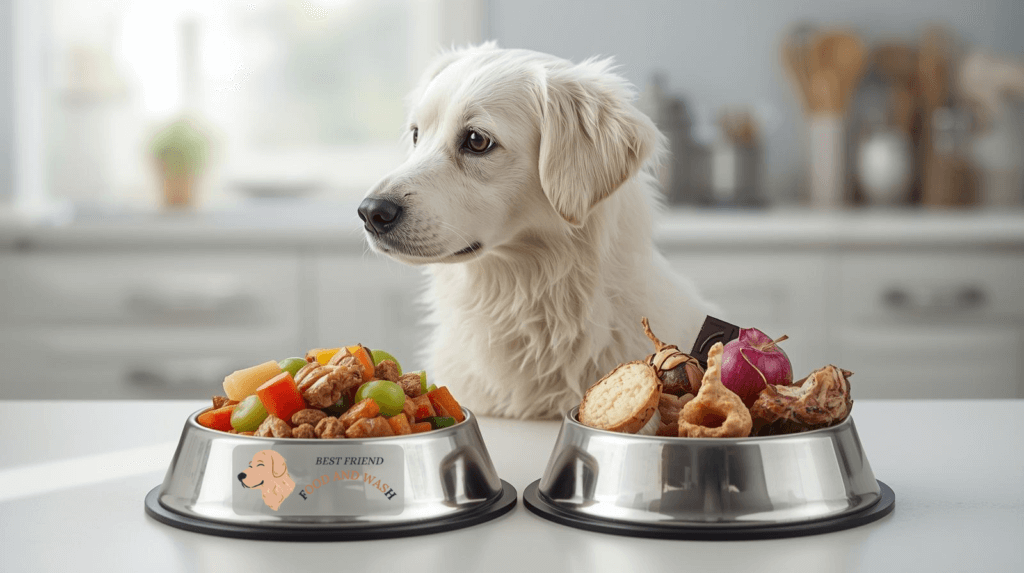
The quality of your dog’s diet directly impacts its overall health, energy, and lifespan. Many pet owners unknowingly feed their pets foods that are filled with low-quality ingredients, artificial additives, or harmful fillers. These may taste fine to your dog, but they slowly cause health issues like allergies, poor digestion, and even organ problems.
When choosing dog food, it’s essential to read labels carefully and understand what ingredients are actually good for your dog. Avoiding bad dog food and knowing the difference between healthy and toxic foods for dogs will ensure your furry friend gets the nutrition they deserve.
Unsafe Meats for Dogs
Even though dogs are natural meat-eaters, not every type of meat is safe for them. Some meats contain additives, salt, or unhealthy fats that can be toxic or difficult to digest. Feeding the wrong kind of meat every day can lead to long-term health issues.
Three Meats Should Dogs Avoid Every Day
Dogs should avoid processed meats such as bacon, sausages, and deli cuts. These meats are usually high in sodium, preservatives, and unhealthy fats that can cause dehydration, obesity, and pancreatitis.
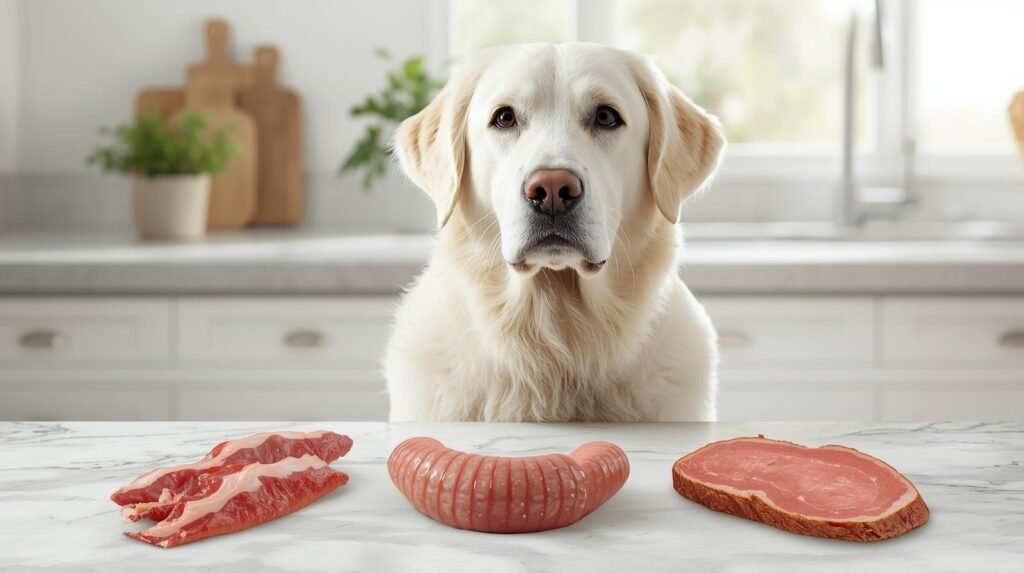
Fatty pork is another meat to stay away from, as it can be too rich for dogs and may trigger digestive distress. Raw fish like salmon or trout should also be avoided because it can contain parasites or bacteria that are dangerous to dogs.
Is it the Most Unhealthy Food for Dogs?
The most unhealthy foods for dogs are those seasoned with ingredients like garlic, onion powder, or salt. These seasonings are toxic foods for dogs and can lead to anemia by damaging red blood cells. Fried or oily foods also fall into the category of bad dog food as they promote obesity and increase the risk of heart and liver problems.
Harmful Grains and Fillers
Grains and fillers are commonly used in commercial dog food as inexpensive ingredients to bulk up the formula. While some grains can be harmless in moderation, others can trigger allergies and digestive problems. Understanding which grains to avoid can prevent your dog from unnecessary discomfort and long-term health risks.
Grains Should Be Avoided for Dogs?
Refined or chemically treated grains should always be avoided, as they often contain pesticide residues or genetically modified ingredients. Instead of relying on processed grains, it’s better to use whole grains like brown rice or quinoa in your dog’s diet if recommended by your vet. These provide fiber and slow-releasing energy without irritating your dog’s digestive system.
What Grains Should Dogs Avoid? Corn, wheat gluten, and soy are among the worst grains to feed dogs. These grains offer little nutritional value and are often responsible for allergic reactions, itchy skin, and stomach issues. Low-quality pet foods rely heavily on these fillers because they’re cheap and easy to produce, but they don’t provide real nourishment.
Misunderstood Vegetables Like Cooked Carrots
Vegetables can be a healthy addition to a dog’s diet, but not all types, or methods of cooking, are suitable. Some vegetables lose nutrients when overcooked, while others can be dangerous when seasoned or mixed with other ingredients.
Why Can’t Dogs Have Cooked Carrots?
Carrots themselves are not harmful to dogs, but overcooked or seasoned carrots can cause problems. When carrots are cooked with butter, salt, or garlic, they become unhealthy and potentially toxic. Overcooking also strips carrots of their vitamins, making them less beneficial. Raw or lightly steamed carrots are a better alternative, offering natural crunch and nutrition that helps clean your dog’s teeth and support its eyesight.
Dangerous Ingredients and Additives
Many commercial pet food brands use artificial additives to enhance flavor, color, or shelf life. Unfortunately, these additives are among the top toxic foods for dogs and can cause serious health problems over time. Reading ingredient labels carefully is one of the best habits any pet owner can develop.
Ingredients Should I Watch Out for in Dog Food?
You should always be cautious of artificial preservatives like BHA, BHT, and ethoxyquin. These chemicals are linked to liver damage and cancer in dogs. Artificial colors and flavor enhancers are equally dangerous and unnecessary. The goal of these additives is to appeal to pet owners visually, not to benefit the dog.
Dog Food Ingredients to Avoid
Several common ingredients in bad dog food should be completely avoided. These include corn syrup, which contributes to obesity and diabetes; propylene glycol, which is used in antifreeze and some dog treats; and unidentified “meat meals” or “animal digests” that can contain low-grade or unsafe animal parts. MSG, sodium nitrate, and animal by-products like feathers or bones can also harm your dog’s health when consumed regularly.
Safer and Healthier Alternatives
Choosing high-quality, natural dog food is the best investment in your pet’s well-being. The healthiest diets for dogs include real meat as the primary ingredient, paired with nutrient-rich vegetables and natural preservatives such as vitamin E. Always choose brands that are transparent about their ingredients and avoid those that rely on chemicals or fillers.
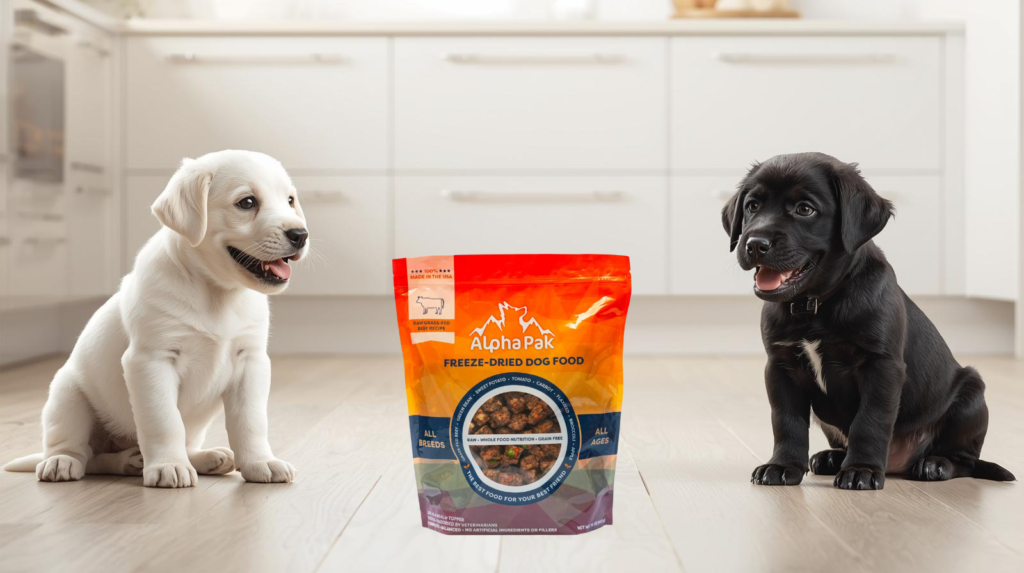
It’s also important to address a common concern among pet owners: Is cat food bad for dogs? The answer is yes. Cat food contains higher levels of protein and fat designed for feline nutrition. When dogs eat cat food regularly, it can overload their system and cause stomach upset, pancreatitis, or nutritional imbalances. Always feed your dog food that is specifically made for their needs.
Conclusion
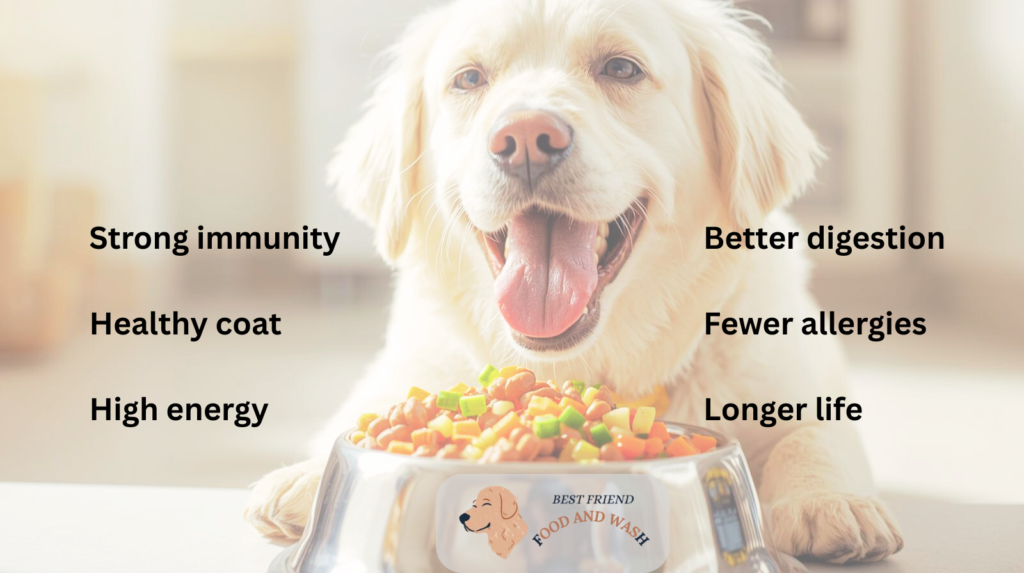
A healthy diet is the foundation of a happy, energetic dog. By understanding which ingredients are toxic foods for dogs and steering clear of bad dog food, you can prevent serious health problems and extend your pet’s lifespan. Always read labels carefully, avoid artificial additives, and feed your pet whole, natural foods whenever possible. The right nutrition keeps your dog’s coat shiny, energy levels high, and overall health strong.
FAQs
Is beef jerky bad for dogs?
Yes. Most beef jerky products contain salt, spices, and preservatives that can cause dehydration and stomach issues in dogs.
Is onion bad for dogs?
Yes. Onions are one of the most toxic foods for dogs and can destroy red blood cells, leading to anemia.
Is sugar bad for dogs?
Yes. Sugar contributes to obesity, dental decay, and diabetes in dogs.
Is a banana bad for dogs?
No. Bananas are safe in moderation and provide potassium and fiber, making them a healthy snack.
Is canned salmon bad for dogs?
It depends on the preparation. Plain, unsalted canned salmon without bones or oil is generally safe, but avoid flavored or seasoned types.
Is rotisserie chicken bad for dogs?
Yes. Rotisserie chicken is often seasoned with salt, garlic, or spices that can upset a dog’s stomach. Plain boiled chicken is a safer option.
Is yogurt bad for a dog?
Plain yogurt can be healthy for some dogs, as it provides probiotics that support digestion. However, flavored yogurts containing sugar or xylitol should be strictly avoided.