



Table of Contents
- Introduction to Nutritional Dog Food
- What makes a high-quality dog food?
- What is the #1 recommended dog food?
- What dog food has the healthiest ingredients?
- What should be the first ingredient in dog food?
- What to look for in high-quality dog food?
- What should the first 5 ingredients be in dog food?
- Dog food ingredients list?
- Dog Food Rules and Ratios Explained
- 9.1 What is the 80/20 rule for dog food?
- 9.2 What is the 95 rule for dog food?
- 9.3 What is the 7-second rule for dogs?
- 9.4 What is the 80 10 10 rule for dog food?
- Alpha Pak’s New Freeze-Dried Dog Food
- Conclusion
- FAQs
Introduction to Nutritional Dog Food
Feeding your dog the right food is one of the most important decisions you’ll ever make as a pet parent. Nutrition impacts everything, from your dog’s coat shine to their digestive health, energy levels, and even behavior. With so many brands claiming to offer “high-quality dog food,” it can be tough to know what’s actually good. Understanding ingredients and nutrition rules helps ensure your pup gets a balanced, wholesome meal every single day.
Summary of Key Points
- Real meat should always be the first ingredient.
- Avoid fillers, by-products, and artificial additives.
- Balance is key; protein, fats, and essential vitamins matter most.
- Understand the 80/20 and 95 rules for choosing quality food.
- Consider innovative options like freeze-dried nutrition for convenience and freshness.
1. What makes a high-quality dog food?
High-quality dog food starts with real, whole ingredients. It’s built around premium animal proteins, healthy fats, and digestible carbohydrates that fuel your dog’s daily adventures. You’ll find real meat, like chicken, beef, or salmon, listed first, rather than vague fillers such as “meat meal” or “by-product.”

The best foods avoid artificial colors, flavors, and preservatives. Instead, they rely on natural preservation methods like mixed tocopherols (vitamin E). The source of ingredients and manufacturing standards also matter; reputable brands use clean sourcing and quality control to ensure your dog’s safety and nutrition.
2. What is the #1 recommended dog food?
There isn’t one single “#1 recommended dog food” that fits every pet. The right choice depends on your dog’s breed, age, size, and activity level. For example, high-quality dog food for puppies often includes more protein and DHA to support brain and muscle development, while senior dogs benefit from joint-support nutrients and lower fat levels.
Veterinarians tend to recommend balanced, AAFCO-approved formulas made with high animal protein, omega fatty acids, and natural antioxidants. Whether you choose kibble, wet food, or freeze-dried options, the goal is simple: balanced nutrition from premium ingredients your dog’s body recognizes and can easily digest.
3. What dog food has the healthiest ingredients?
Dog food with the healthiest ingredients features natural, recognizable items you might even find in your own kitchen. Look for real meats like chicken, turkey, or salmon; vegetables like carrots, spinach, and sweet potatoes; and doggy superfoods such as blueberries, chia seeds, or flaxseed.
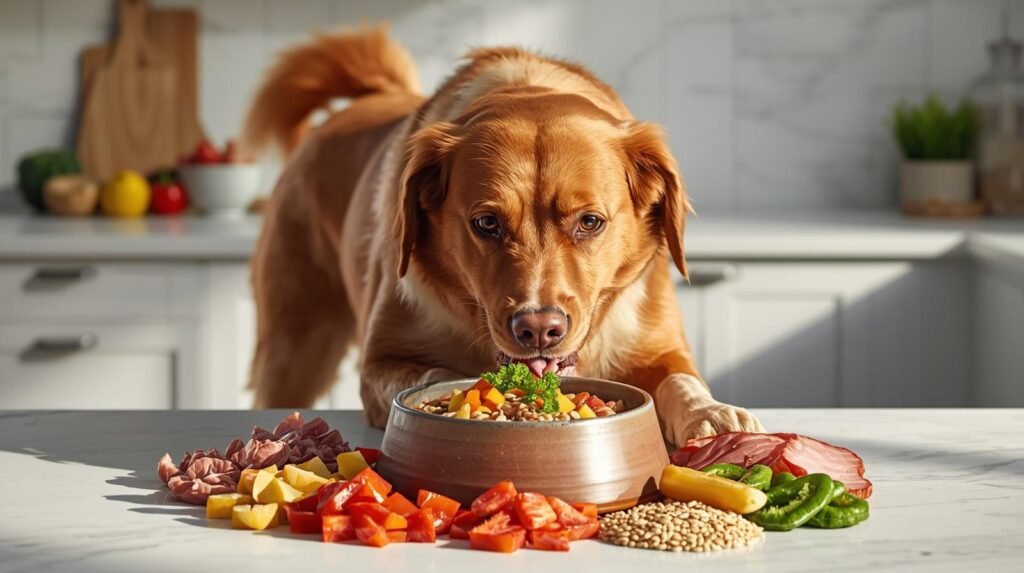
Avoid unnecessary fillers, artificial preservatives, and overly processed grains. Some dogs thrive on grain-free or limited-ingredient diets, especially if they have allergies. Always check the ingredient list for transparency; healthy dog food brands are proud of what goes inside.
4. What should be the first ingredient in dog food
The first ingredient listed on your dog food bag is the most important, as ingredients are listed by weight. Ideally, that first ingredient should always be a named, real meat source, like chicken, beef, or salmon.
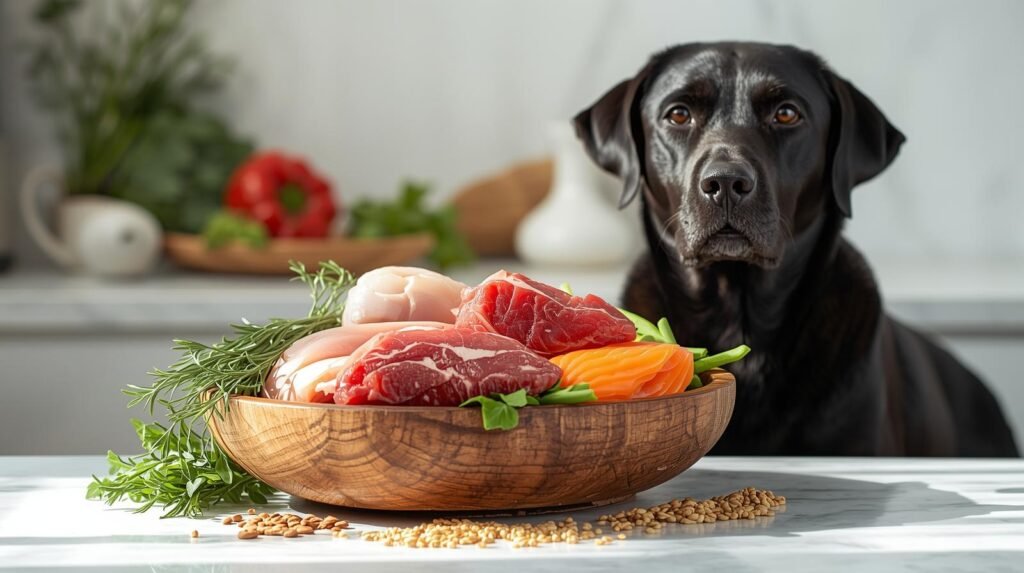
This ensures your dog is getting a protein-rich diet that supports strong muscles and overall health. If the first ingredient is corn, soy, or “meat by-product,” that’s a red flag. Real animal protein should take priority over plant fillers.
5. What to look for in high-quality dog food
When evaluating food for your dog, look for the following signs of quality:
- A real protein source is listed first.
- Balanced fats and carbohydrates for steady energy.
- A healthy mix of vitamins and minerals for immune support.
- No artificial preservatives, colors, or flavorings.
- A clear AAFCO nutritional adequacy statement, proving the formula meets industry standards for a complete and balanced diet.
This applies whether you’re shopping for a working dog, a small breed, or a puppy. Even low-cost, high-quality dog food options can meet these standards if they focus on real ingredients over marketing claims.
6. What should the first 5 ingredients be in dog food
For top-tier nutrition, the first five ingredients should reflect real, nutrient-dense foods. A good formula might start with chicken or beef, followed by a specific meat meal (like chicken meal), whole grains or vegetables, healthy fats such as flaxseed or chicken fat, and natural fiber sources.
Avoid foods where the first few ingredients are corn syrup, vague “meat meals,” or artificial additives. The first five ingredients set the tone for the entire recipe; if they’re clean, the rest likely follow suit.
7. Dog food ingredients list
Reading an ingredient list can tell you a lot about quality. Proteins build muscles, fats provide energy and help maintain a shiny coat, and carbohydrates supply fiber for digestive health. Vitamins and minerals support bone strength and immunity, while natural preservatives keep food fresh without synthetic chemicals.
Be cautious with terms like “by-product meal” or “natural flavor.” Transparency matters; brands should clearly state what goes into their food. If you wouldn’t eat it yourself, your dog probably shouldn’t either.
Dog Food Rules and Ratios Explained
Many pet owners hear about nutrition “rules” such as 80/20 or 95% but aren’t sure what they actually mean. These ratios serve as guidelines to help create balanced diets that mirror a dog’s natural eating patterns. Understanding them can help you make smarter choices when choosing or even preparing your dog’s meals.
8. What is the 80/20 rule for dog food?
The 80/20 rule suggests that about 80% of your dog’s diet should come from high-quality protein and fats, while the remaining 20% includes fruits, vegetables, and supplements. This approach mimics what dogs might eat in the wild, mostly meat, with some plant-based nutrients for fiber and antioxidants.
9. What is the 95 rule for dog food?
According to AAFCO labeling standards, when a can or bag says “95% beef,” it means that 95% of the product’s weight (excluding water) must come from that named ingredient. This rule helps ensure transparency, so you know exactly what your dog is eating.
10. What is the 7-second rule for dogs?
The “7-second rule” isn’t a nutrition formula; it’s more of a behavioral insight. Dogs usually take about seven seconds to decide if food smells right to them. That’s why fresh, high-quality food with natural aromas is more appealing than ultra-processed kibble. Your dog’s instincts can often tell when food is wholesome.
11. What is the 80 10 10 rule for dog food?
This raw feeding guideline breaks down a balanced diet into 80% muscle meat, 10% organ meat, and 10% edible bone. It’s designed to replicate what a dog would naturally consume in the wild. While this approach can offer great nutrition, it should be done carefully; always consult your vet before switching to raw or homemade diets to ensure nutritional balance.
Alpha Pak’s New Freeze-Dried Dog Food
If you’re searching for a simple way to give your dog premium nutrition without the mess or hassle of raw feeding, check out Alpha Pak’s Premium Raw Feed Dried Dog Food.
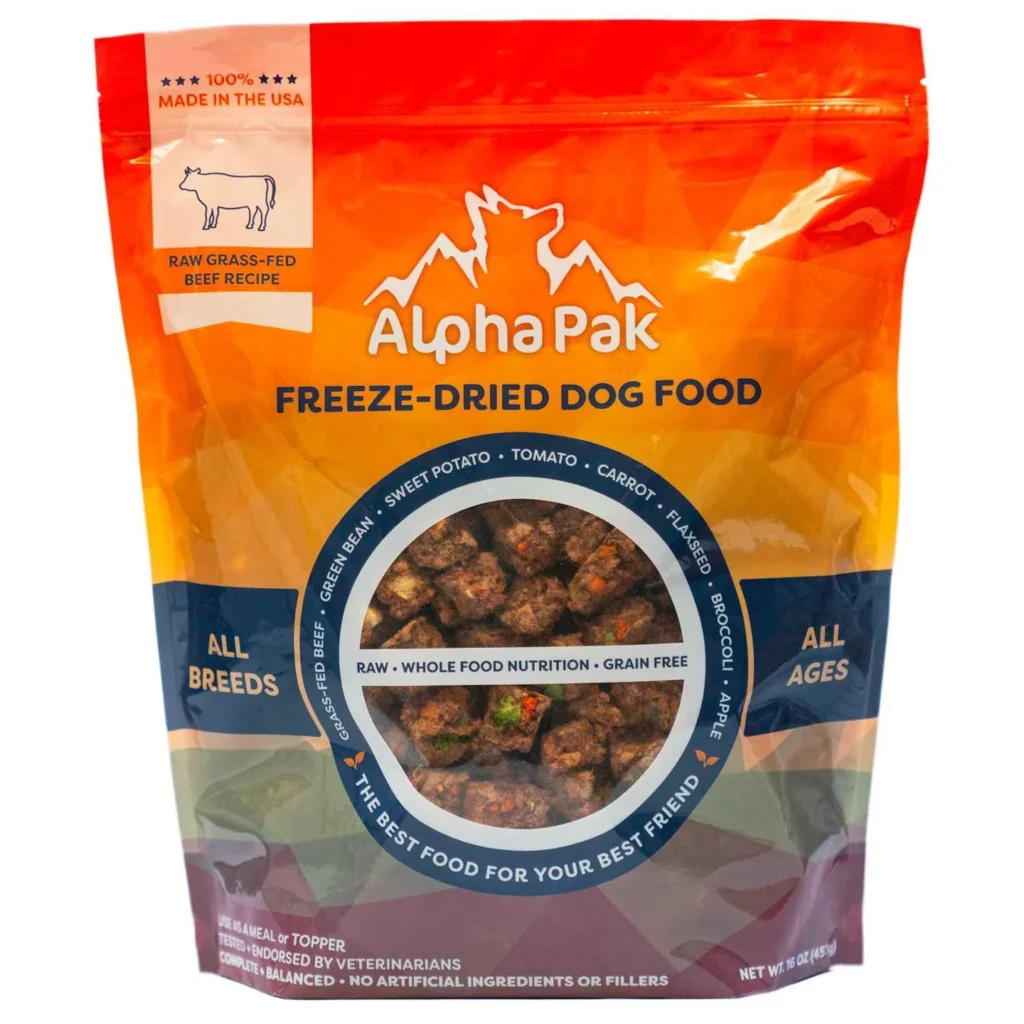
This freeze-dried formula locks in nutrients from real meat and wholesome ingredients, giving your dog the benefits of a raw diet with the convenience of dry food. It’s a great option for pet parents who value high-quality ingredients and balanced nutrition, especially for active or picky eaters.
Conclusion
Feeding your dog right doesn’t have to be complicated. It’s about understanding what’s in the bag, why those ingredients matter, and how nutrition shapes your dog’s health. High-quality dog food, whether kibble, canned, or freeze-dried, starts with real meat, natural ingredients, and a commitment to balance. When you choose wisely, you’ll see the results: better energy, stronger immunity, a shinier coat, and a happier dog.
FAQs
What is high-quality large breed puppy food?
It’s a formula designed for steady growth, rich in protein, calcium, and DHA, without excessive calories that can strain developing joints.
What is high-quality dog food for puppies?
High-quality dog food for puppies includes easily digestible protein sources, omega-3 fatty acids for brain development, and added minerals for bone strength.
Is high-quality dry dog food best for dogs?
Yes, when made from real ingredients and properly balanced. High-quality dry dog food offers convenience, dental benefits, and consistent nutrition.
Which is high-quality dog food for small dogs?
Small dogs thrive on nutrient-dense formulas with smaller kibble size and slightly higher fat content to meet their faster metabolism.
Is low-cost, high-quality dog food suitable for dogs?
It can be, as long as the formula lists real meat first, avoids fillers, and meets AAFCO standards. Price doesn’t always define quality; ingredients do.